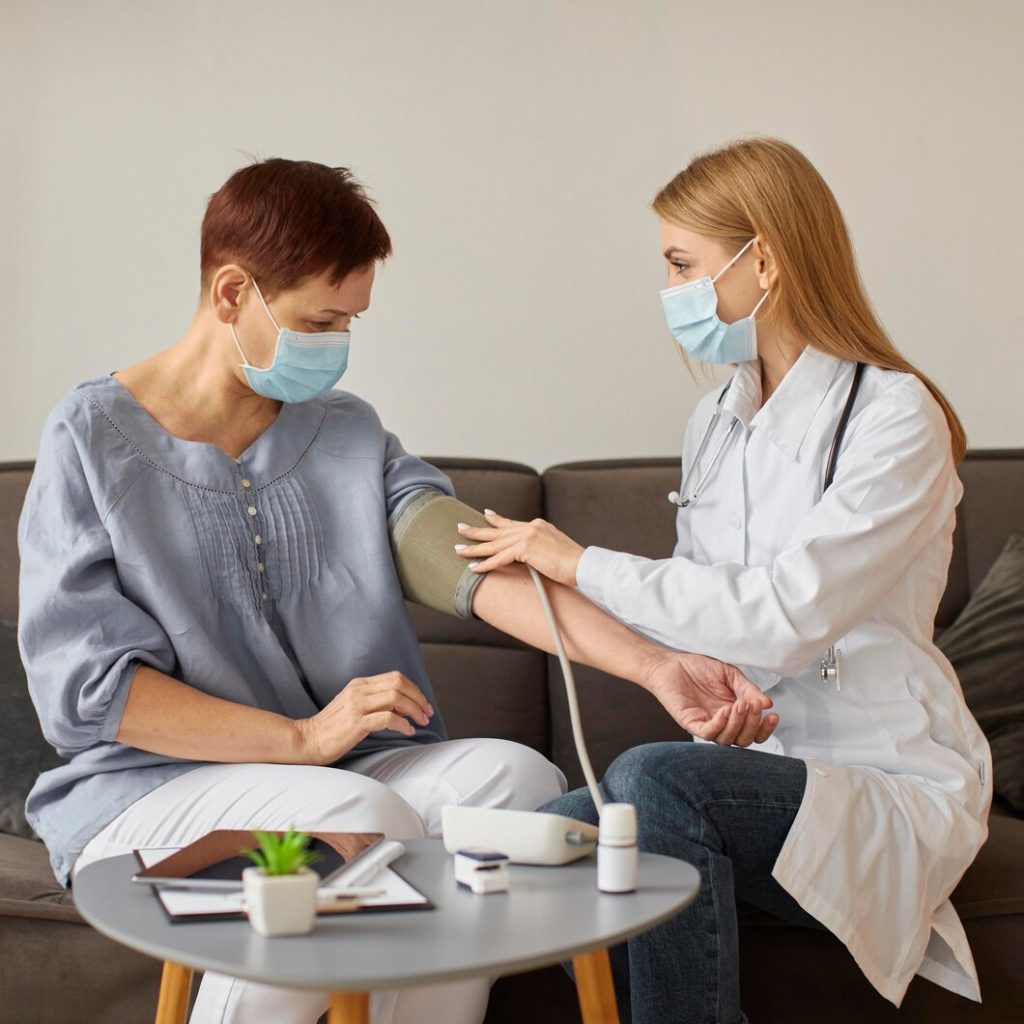


Unexpected emergencies can disrupt daily life, making it challenging to access healthcare, medications, and essential supplies. Whether it’s a regional conflict, natural disaster, or another emergency situation, preparing your family in advance can help reduce stress and protect everyone’s health.
The goal isn’t to panic—it’s to be prepared. Taking simple preventive steps today can make a significant difference if unexpected situations arise. This guide shares practical health tips to help families stay safe, healthy, and resilient during emergencies.
Why Health Preparedness Matters
Emergencies often affect more than transportation and communication. They may also interrupt access to healthcare facilities, pharmacies, clean water, electricity, and food supplies.
Being prepared allows your family to:
- Continue taking essential medications.
- Reduce the risk of infections.
- Stay physically healthy.
- Manage emotional stress.
- Respond quickly when medical attention is needed.
Preparation brings peace of mind and helps families make better decisions during uncertain times.
1. Keep an Emergency Medical Kit Ready
Every home should have a well-stocked medical kit that is easy to access. Check it regularly and replace expired items.
Your emergency medical kit should include:
- Adhesive bandages
- Sterile gauze and medical tape
- Antiseptic solution or wipes
- Cotton rolls
- Digital thermometer
- Disposable gloves
- Scissors and tweezers
- Pain relievers
- Fever medication for adults and children
- Oral rehydration salts (ORS)
- Personal prescription medicines
- Inhalers (if prescribed)
- Allergy medication
- Hand sanitizer
- Face masks
If anyone in your family has a chronic medical condition such as diabetes, asthma, high blood pressure, or heart disease, keep at least a one- to two-week supply of prescribed medications whenever possible.
2. Never Ignore Regular Medications
One of the biggest health risks during emergencies is running out of essential medicines.
Make sure you:
- Refill prescriptions before they run out.
- Store medicines according to the manufacturer’s instructions.
- Keep a list of current medications and dosages.
- Carry copies of prescriptions if you need to travel.
- Know the contact details of your healthcare provider.
People with chronic illnesses should avoid stopping medications without medical advice.
3. Prioritize Safe Drinking Water
Access to clean water is essential for good health.
If clean water supplies become limited:
- Drink only safe, clean water.
- Store bottled water for emergencies.
- Use clean containers for storage.
- Boil water if its safety is uncertain and appropriate to do so.
- Avoid drinking water from unknown sources.
Proper hydration is especially important for young children, older adults, and pregnant women.
4. Maintain Good Food Hygiene
Food safety becomes even more important during emergencies.
Simple precautions include:
- Wash hands before preparing food.
- Cook food thoroughly.
- Keep raw and cooked foods separate.
- Refrigerate perishable items when possible.
- Avoid eating food with unusual smells, appearance, or expired dates.
If refrigeration is unavailable due to power outages, consume perishable foods first and discard items that may no longer be safe.
5. Protect Children During Emergencies
Children may not fully understand what is happening around them. They rely on adults for reassurance and care.
Parents can help by:
- Maintaining regular meal times.
- Keeping children hydrated.
- Encouraging proper sleep.
- Limiting exposure to distressing news coverage.
- Providing age-appropriate explanations.
- Keeping favorite toys, books, or comfort items nearby.
Watch for signs of illness such as persistent fever, difficulty breathing, severe vomiting, dehydration, or unusual drowsiness. Seek medical care promptly if these occur.
6. Don’t Overlook Mental Health
Stress and anxiety are common during uncertain situations. Looking after emotional wellbeing is just as important as protecting physical health.
Healthy ways to manage stress include:
- Following a regular daily routine.
- Limiting constant exposure to alarming news.
- Staying connected with family and friends.
- Practicing relaxation techniques such as deep breathing.
- Exercising regularly if it is safe to do so.
- Getting adequate sleep.
If feelings of anxiety, panic, or sadness become overwhelming or interfere with daily life, professional support can be beneficial
7. Continue Practicing Good Hygiene
Simple hygiene habits remain one of the best ways to prevent illness.
Remember to:
- Wash hands frequently with soap and water.
- Use hand sanitizer when soap isn’t available.
- Cover coughs and sneezes.
- Avoid touching your face with unwashed hands.
- Clean frequently touched surfaces regularly.
Good hygiene protects both your family and those around you.
8. Know When to Seek Medical Attention
Some health conditions require immediate medical care regardless of the circumstances.
Seek urgent medical attention if someone experiences:
- Chest pain
- Difficulty breathing
- Severe bleeding
- Loss of consciousness
- Seizures
- Sudden weakness or paralysis
- High fever that doesn’t improve
- Serious injuries
Do not delay emergency care for life-threatening symptoms.
9. Schedule Preventive Health Checkups
Preventive healthcare is easier than treating advanced illness.
Routine health checkups can help identify:
- High blood pressure
- Diabetes
- High cholesterol
- Vitamin deficiencies
- Kidney or liver problems
- Dental issues
Staying on top of your health reduces the risk of unexpected medical complications during emergencies.
10. Keep Important Medical Information Accessible
Prepare a folder—printed or digital—that includes:
- Medical records
- Prescription list
- Vaccination records
- Blood group information
- Health insurance details
- Emergency contacts
- Allergies
- Contact information for your family doctor
Having this information readily available can save valuable time if medical care is needed.
Building a Family Emergency Plan
A simple family plan can reduce confusion during unexpected situations.
Discuss together:
- Emergency contact numbers.
- Meeting locations if separated.
- Nearby hospitals and medical centers.
- Transportation options.
- Responsibilities for each family member.
Review and update your plan regularly so everyone knows what to do.
Small Preparations Make a Big Difference
No one can predict when an emergency will occur, but everyone can take practical steps to prepare. Keeping medications stocked, maintaining healthy habits, staying informed through reliable sources, and prioritizing both physical and mental wellbeing can help your family remain safe and resilient.
Preparedness isn’t about expecting the worst—it’s about being ready to protect the people who matter most.
Frequently Asked Questions
What medicines should every family keep at home?
Basic first-aid supplies, fever and pain relief medicines, oral rehydration salts, prescribed medications for chronic conditions, allergy medicines, and a digital thermometer are useful essentials. Always use medications as directed and consult a healthcare professional if you have questions.
How can I help my child feel safe during an emergency?
Maintain familiar routines, offer reassurance, answer questions honestly in an age-appropriate way, and limit exposure to distressing news. Encourage children to express their feelings and seek professional support if they show ongoing signs of distress.
How often should I update my emergency medical kit?
Review your emergency kit every six months. Replace expired medications and supplies, and adjust the contents to meet your family’s changing health needs.
Why is preventive healthcare important during uncertain times?
Regular health checkups help detect medical conditions early, allowing treatment to begin before problems become more serious. This can reduce health risks if access to healthcare becomes temporarily limited.
Stay Prepared with Global Healthcare Medical Center
At Global Healthcare Medical Center, we believe that prevention is the foundation of good health. From general medical consultations and pediatric care to dental services, laboratory testing, vaccinations, psychological support, and preventive health checkups, our experienced healthcare team is here to support you and your family.
Whether you need a routine health assessment, advice on managing a chronic condition, or guidance on family wellness, we’re committed to providing compassionate, high-quality care to help you stay healthy in every season of life.